






In a volatile industrial environment, communication is critical, but the tools used to facilitate it can be deadly. One spark is all it takes. In an oil refinery, a chemical plant, or a grain silo, a standard electronic device can become an ignition source, turning a routine operation into a catastrophe. This is why hazardous environment communication requires specialized equipment. Explosion-proof radio technology is not just a feature; it is a non-negotiable layer of protection for your workforce.
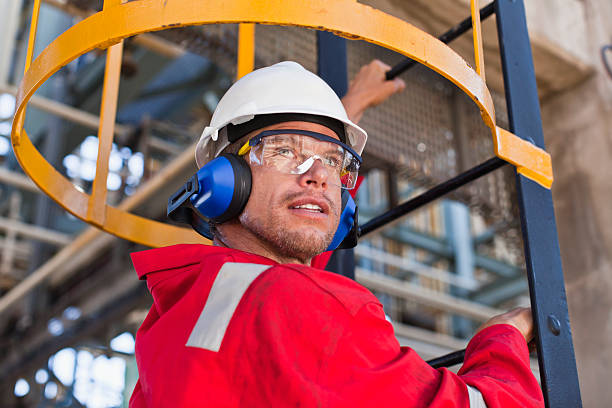
What Does "Intrinsically Safe" Actually Mean?
You will often see the terms "Explosion-Proof" and "Intrinsically Safe" used interchangeably, but for handheld radios, what does intrinsically safe mean?
The Engineering Principle: Limiting Energy to Prevent Ignition
An intrinsically safe radio is designed on a molecular and electrical level to be incapable of releasing enough electrical or thermal energy to ignite a specific hazardous atmosphere. This means that even if the radio short-circuits or fails, the energy released is too low to cause a spark that could ignite gas or dust.
"Explosion-Proof" vs. "Intrinsically Safe": Clarifying the Terms
While often used as a catch-all term, "Explosion-Proof" technically refers to enclosures (like heavy light fixtures) designed to contain an explosion inside the device without letting it escape. "Intrinsically Safe" (IS) refers to preventing the explosion from happening in the first place by limiting energy. For handheld devices, IS is the standard.
Identifying Your Hazard: Gases, Vapors, and Dusts
Different industries face different threats. Choosing the right oil and gas radio or factory device depends on classifying your specific hazard.
Class I Environments: Oil Refineries, Paint Shops, and Chemical Plants
These are areas where flammable gases or vapors are present. A chemical plant safety plan relies on radios that cannot ignite these invisible, often odorless dangers.
Class II Environments: Grain Elevators, Flour Mills, and Coal Mines
These areas deal with combustible dust. Dust explosion safety is critical here. Fine particles of grain, sugar, or coal can be more explosive than dynamite if ignited.
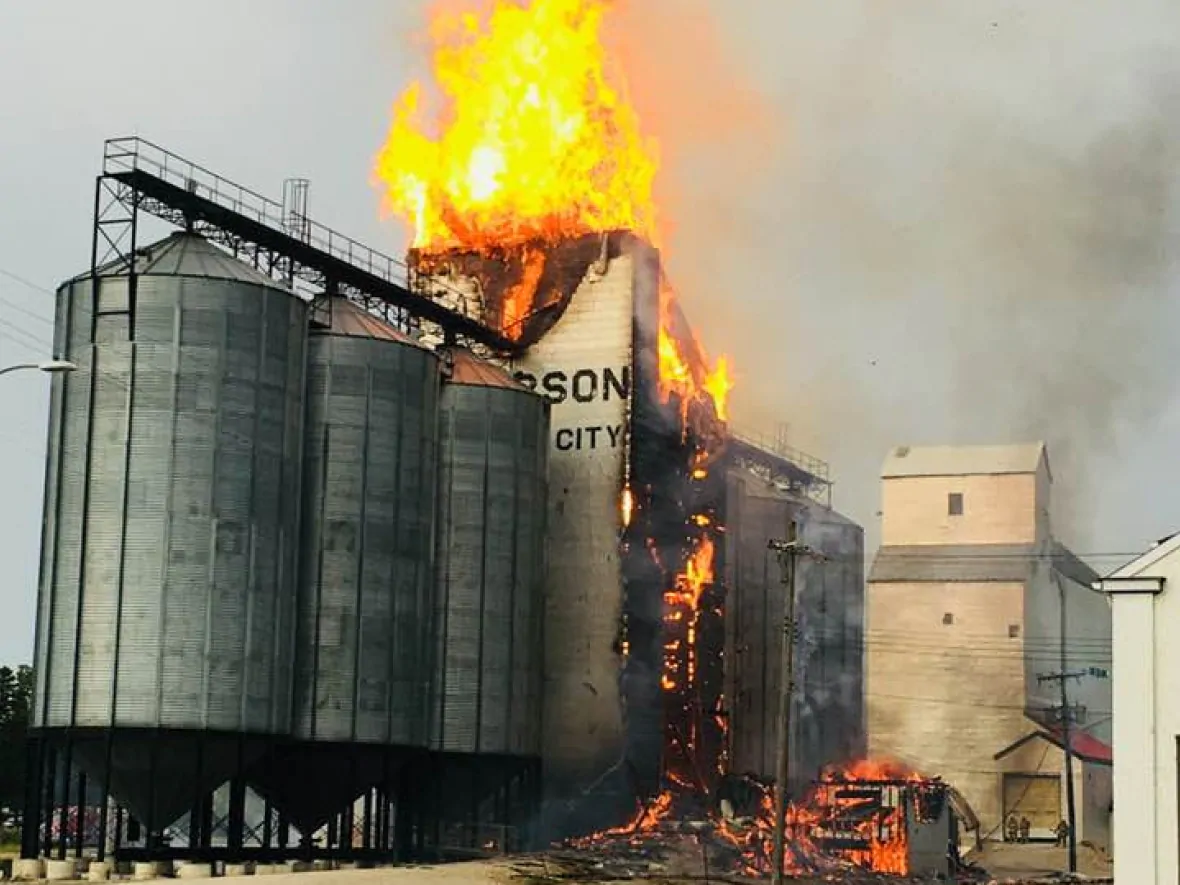
Why Dust Can Be Just as Dangerous as Gas
Many safety managers overlook dust. However, a standard radio dropping a battery or creating a static spark in a dust-filled silo can trigger a massive explosion. Your equipment must be rated for both gas and dust if these hazards exist.
Decoding the Safety Rating: Understanding Ex Ratings
When buying a radio, you'll see complex codes like Ex ib II B T4 Gb. Understanding these Ex rating codes is vital for compliance.
- Ex: Indicates explosion protection.
- ib: The level of protection (high).
- II B: The Gas Group (e.g., Ethylene).
- T4: The Temperature Class. This ensures the radio's surface temperature will never get hot enough (in this case, above 135°C) to ignite the surrounding atmosphere.
- Gb: Equipment protection level (High protection for Gas).
Why You Need a Dedicated Hazardous Environment Radio
You cannot simply put a case on a regular walkie-talkie and call it safe.
Specialized Hardware: Anti-Static Cases and Sealed Batteries
A true explosion proof radio features an anti-static housing to prevent spark generation from friction. The battery contacts are encapsulated to prevent sparking during connection, and the internal circuitry is specially designed to limit current.
Featured Solution: The Chierda TC328D DMR Radio
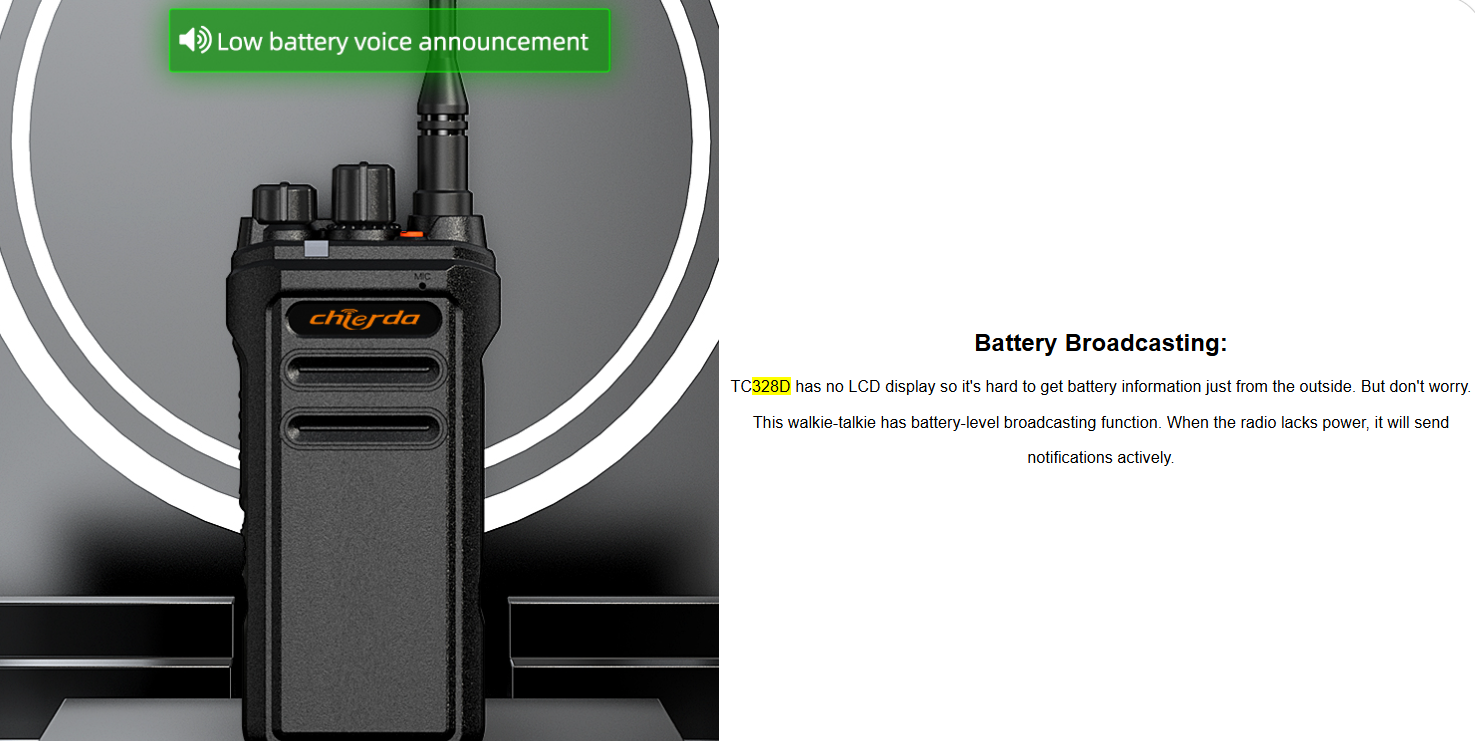
At Chierda, we understand these rigorous demands. Our TC328D Explosion-proof DMR Radio is engineered for the toughest zones. It meets strict Ex ib II B T4 Gb standards, features IP67 waterproofing, and provides the clarity of digital communication, making it the ideal choice for mining, oil, and gas professionals.
Safety is Non-Negotiable: Equip Your Team with Certified Protection
In hazardous industries, there is no room for compromise. Using non-compliant radios is not only a regulatory violation; it is a gamble with human lives. By equipping your team with certified intrinsically safe radio equipment, you ensure that their lifeline doesn't become a liability. Ready to upgrade your safety standards? Contact our safety experts for a consultation on compliant communication solutions.
FAQ: Critical Questions on Explosion-Proof Radios
Can I change the battery of an explosion-proof radio while in the hazardous zone?
Can I change the battery in a hazardous zone? NO. Absolutely not. Even with an intrinsically safe radio, the act of disconnecting the battery can momentarily create a spark. Battery changes must always be done in a designated safe, non-hazardous area.
Do explosion-proof radios have lower power or range than standard radios?
Sometimes, yes. Because IS radios must limit electrical energy to prevent sparks, their transmit power is often capped (e.g., at 3.5W or 4W instead of 5W). However, high-quality engineering ensures the range is still sufficient for most industrial sites.
Can I use a standard headset with an intrinsically safe radio?
No. Any accessory attached to the radio, including headsets, microphones, and batteries, must also be certified as intrinsically safe. Using a non-compliant accessory voids the safety rating of the entire unit.
How often do these radios need to be inspected?
Regular inspections are crucial. Check for cracks in the casing, compromised seals, or damage to the antenna daily. A compromised housing can ruin the radio's explosion-proof integrity.