






So, you know you need two-way radios, but one look at the market leaves you with more questions than answers. DMR, Analog, PoC, IP ratings, UHF, VHF... feeling overwhelmed by radio choices? You're not alone. The secret to choosing a radio isn't memorizing technical jargon. It's about understanding your own needs. This ultimate radio buying guide will give you a simple framework to confidently select the perfect device.
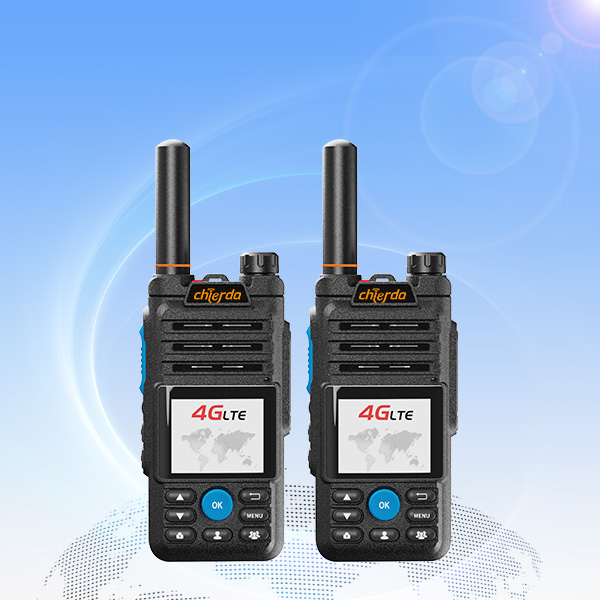
Start by Answering These 4 Core Questions
Before you even look at a single model, this is how to choose a two way radio: answer these four questions about your own operation.
1. WHERE Will You Use It? (Environment Determines Range & Durability)
Your operating environment is the most critical factor.
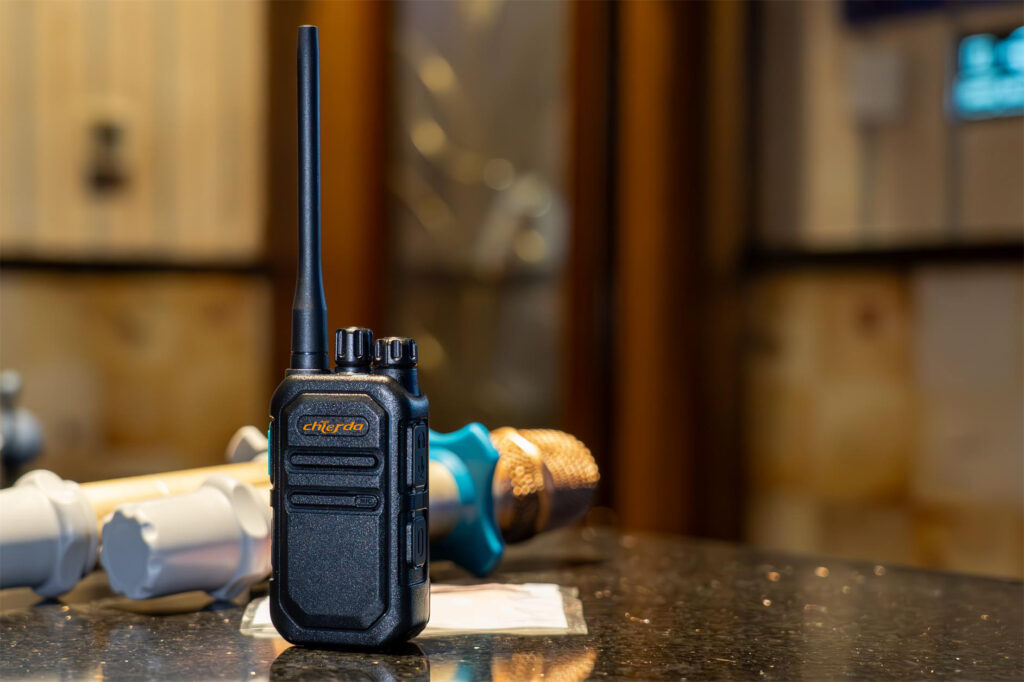
- Indoors vs. Outdoors: Are you in a hotel or a vast farm? For indoor use with many obstructions (walls, shelves), UHF radios are superior. For open outdoor spaces, VHF radios often provide better range.
- Range Needs: How far apart will your team be? Be realistic about your coverage needs.
- Weather Conditions: Will the radios be exposed to rain, dust, or mud? If so, durability and a high IP rating (like IP67 waterproof) are non-negotiable.
2. WHAT Will You Use It For? (Application Determines Features)
Think about the specific tasks you need to accomplish.
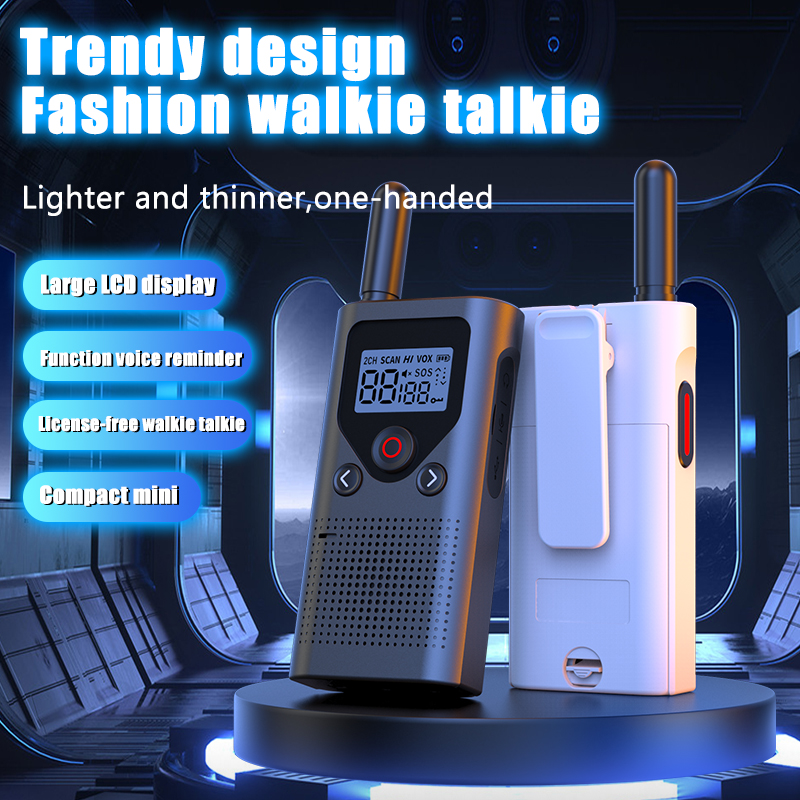
- Basic Voice: Do you just need simple push-to-talk voice communication?
- Secure Data: Do you handle sensitive information that requires encryption?
- Hands-Free Operation: Will your staff (like restaurant servers or machine operators) have their hands full? If so, you'll need radios with VOX (voice-activated) capabilities and compatible headsets.
3. WHO Will Be Using It? (Users Determine Scale & Simplicity)
Consider the people who will be using the radios.

- Small Family Group: A simple, license-free radio is perfect.
- Large Professional Team: You'll need a scalable system with multiple channels to separate different workgroups (e.g., security, maintenance, management). The technical skill of your users also matters; some teams need ultra-simple devices, while others can handle more complex features.
4. WHAT is Your Budget? (Investment Determines Technology)
Your budget will guide your technology choice.
- Upfront Cost vs. Long-Term Value: Analog radios may have a lower initial cost, but digital (DMR) radios often provide better long-term value through enhanced durability, clearer audio, and greater efficiency. Your choice is an investment in your team's productivity.
A Quick Guide to the Main Types of Two Way Radios
Once you've answered the questions above, you can easily match your needs to one of the main types of two way radios.
- Analog Radios: Best for simple, budget-friendly voice communication. They are the proven workhorses for many industries and are incredibly easy to use.
- DMR Digital Radios: The best radio for business needing crystal-clear audio, enhanced security, longer battery life, and advanced features like text messaging.
- PoC Radios: Best for teams spread across different cities or nationwide. These radios use cellular networks to provide limitless range.
- License-Free Radios (FRS/PMR446): Best for personal use, families, and very small businesses operating over short distances.
Don't Guess: When to Seek Expert Advice
While this radio selection guide will help most users, sometimes you need a professional consultation.
For Complex Sites with Coverage Challenges
If you have a large, multi-building campus or known signal dead zones, an expert can help you design a system, possibly including repeaters, to guarantee full coverage.
For Integrating with Existing Systems
If you need new radios to work with an existing fleet, a professional can ensure perfect compatibility and programming.
For Large-Scale Fleet Deployments
For large teams, a consultation can help you optimize channel planning and fleet management features. As a leading two way radio manufacturer, our experts are always ready to help.
Finding Your Perfect Match: The Right Radio for the Right Job
Ultimately, the process of choosing a radio is about finding the perfect match for your unique needs. There is no single "best" radio—only the best radio for your job. By using the four-question framework, you can move from confusion to clarity and select a communication tool that truly empowers your team.
FAQ: Top Questions for First-Time Radio Buyers
Do I need a license for my business radios?
For higher-power professional radios (including most GMRS, DMR, and Analog business models in the US), a simple license from the FCC is typically required. The process is straightforward and the license covers your entire organization.
What is the main difference between consumer and professional radios?
Professional radios are built for durability, with higher-quality components, better battery life, and more advanced features. Consumer radios (like FRS) are great for casual use but are not designed to withstand the demands of a daily work environment.
Can radios from different brands talk to each other?
Yes, as long as they are programmed to the same frequency and privacy code, and are the same type (analog-to-analog, or a compatible digital standard like DMR-to-DMR), radios from different brands can communicate.
How many radios should I buy for my team?
Start by equipping key personnel who are mobile and need to coordinate with others. It's often better to start with a core group and expand as you identify further communication needs. Ready to start your search? This radio buying guide is your first step!